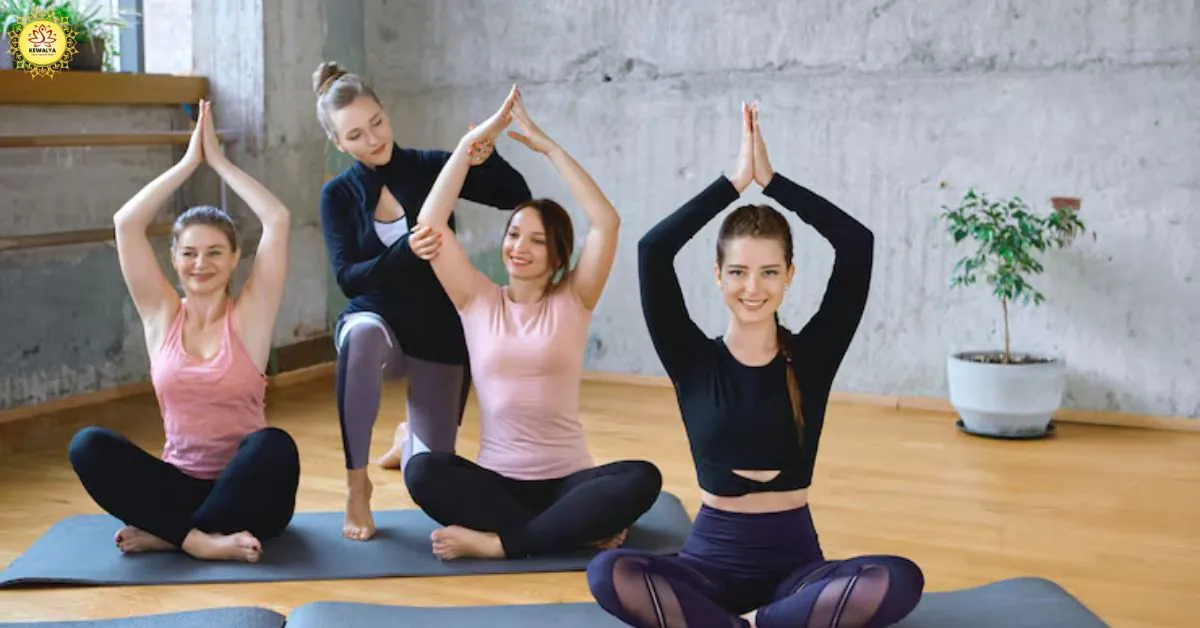
Many individuals try out yoga because they feel the need for flexibility, stress management, building strength, or gaining balance. Upon attending several yoga classes, some of them feel the urge to go into deeper levels of their practice, which involves yoga teacher training. One question that might come up at such times is: Do you have to be a seasoned yoga practitioner before going into a teacher training program?
The good news is that Yoga Teacher Training for Beginners is a suitable starting point when the course is designed to welcome new practitioners. You do not need to master difficult postures, perform advanced balances, or have a naturally flexible body before beginning your learning journey.
An adequate teacher training program offers you everything from basic yoga poses, breathing, meditation, anatomy, yoga philosophy, and teaching techniques. Some individuals join teacher training programs in order to become teachers themselves whereas others simply want to learn yoga properly.
Can Beginners Join Yoga Teacher Training?
Yes, beginners can also pursue training to become yoga teachers, provided they opt for training programs that welcome students without any prior experience at all.
There is no requirement of being an expert at yoga before taking up yoga training. Beginner friendly programs teach you everything about yoga right from basics to advanced concepts through correct alignment, breathing and gradual improvements rather than expecting complicated yoga postures right away from you.
Kewalya Yogshala, provides 100-hour Yoga Teacher Training program for beginners and aspirant students. The course description says that they do not require any prior yoga training, and the students are provided guidance according to their requirements. The most essential characteristics to bring are curiosity, consistency, and patience.
Do You Need Previous Yoga Experience to Enroll?
Experience can make you more at ease with the basic postures, but it’s not always a requirement to be accepted. Before you apply, make sure to check out the details of the course as different schools will have different criteria. Some courses are aimed at complete beginners whilst others may require a basic knowledge of yoga.
Here are some things that may help you prepare:
- Basic physical fitness: You should be fairly comfortable engaging in regular physical activity.
- Willingness to practice: Teacher training often involves daily yoga practice, so consistency matters.
- Interest in learning: Be ready to study practical and theoretical subjects.
- Patience with progress: In time you will grow in flexibility, strength and understanding.
- An open mind: Yoga is not all physical, so an interest in philosophy and meditation is handy.
A good Yoga Teacher Training for Beginners path should be helping you build these foundations, not judge your ability by how advanced your poses look.
Is Yoga Teacher Training Only for People Who Want to Teach?
Absolutely not. Every student does not enter teacher training with the aim of becoming a professional teacher.
There are students who wish to know about the philosophy of yoga, enhance their own practice, or gain insight into how ancient techniques link the body and mind. Some are interested in meditation, pranayama, philosophy, and a more disciplined life.
The training will make you realize why certain postures are practiced in a certain way and how breathing affects movement, and how to modify the practice based on one’s physical condition.
But in case you are going to teach professionally, you must select the training program which gives you the right qualification and training for teaching.
What Will You Learn During a Beginner Yoga Teacher Training Course?
A quality training program will expose you to a variety of topics that help you to understand yoga from many different angles. A Yoga Teacher Training Course for Beginners should include a mix of practical, theoretical and confidence building components.
1. Basic Yoga Poses & Alignment
Asana practice leads you into the traditional yoga postures and how to properly align them.
You can start with simple movements like:
- Tadasana (Mountain Pose)
- Tree Pose (Vrikshasana)
- Bhujangasana (Cobra Pose)
- Triangle Pose (Trikonasana)
- Balasana (Child’s Pose)
- Adho Mukha Svanasana (Downward Facing Dog)
You will learn how to get in and out of postures safely, know the basic benefits and how to modify them to suit your ability.
2. Pranayama and Breathing Methods
Pranayama is a term for traditional yogic breathing exercises. Beginners are introduced to techniques such as Nadi Shodhana, Ujjayi, Bhramari and other basic breathing exercises. They help students to notice their breath and how to approach breathing practices in a mindful way.
3. Physiology and Anatomy of Yoga
Anatomy helps you understand how your muscles, joints, bones and other body systems work in movement. This information is especially helpful for learning alignment, identifying physical limitations, and understanding why certain adjustments might be required.
4. Philosophy of Yoga
Yoga is not just a physical exercise. Traditional philosophy includes ideas such as the eight limbs of yoga, self-discipline, awareness, and mindfulness from texts such as the Yoga Sutras of Patanjali.
5. Mindfulness and Meditation
Through meditation we learn skills to develop concentration and to observe our thoughts, without necessarily reacting to them. By practicing regularly you can become more aware of your attention, your breathing, your mental habits.
6. Method of Teaching
If you want to be an instructor you need to have methodology of teaching in your education. Students learn to show postures, explain movements clearly, plan sequences, guide breathing and communicate with people of varying experience.
Should Beginners Choose a 100-Hour or 200-Hour Yoga Teacher Training?
The right course depends on your learning goals, available time, and future plans.
100-Hour Yoga Teacher Training
A 100-hour program can be a useful introductory option for someone who wants to explore traditional yoga without immediately committing to a longer course.
At Kewalya Yogshala, the 100-hour program is described as a two-week foundational course. Its curriculum includes Hatha Yoga, Ashtanga Vinyasa, yoga philosophy, anatomy, pranayama, meditation, and teaching methodology.
It is suitable for beginners who want to understand the basics and decide whether they wish to continue studying yoga.
200-Hour Yoga Teacher Training Course
A 200 hour course is a more comprehensive start for students wanting to build upon their teaching knowledge and take the path of becoming a yoga teacher. A 200 Hour Yoga Teacher Training for Beginners should include practical yoga techniques, anatomy, philosophy, teaching methodology, and supervised teaching practice.
Yoga Alliance says that to receive its RYT 200 credential, you must complete a 200-hour teacher training registered with Yoga Alliance. That 200-hour training requirement doesn’t translate to a 100-hour introductory course by itself. Always check the current registration and certificate details of the school before enrolling.
What is a Typical Day During Yoga Teacher Training?
Teacher training generally follows a structured daily routine, combining physical practice with classroom learning. Every school will have different routines.
As a beginner it can be quite hard for the first few days; trying to get used to a new schedule, new vocabulary and working regularly. However, getting enough sleep, drinking plenty of water and talking to your teachers can help you.
Common Concerns Beginners Have Before Joining
When you start something new, you always have doubts. Here are some common concerns and what you should know before you decide. “
“I Am Not ‘Flexible’ Enough”
Flexibility is not a litmus test for yoga teacher training. It is developed slowly through proper movement and regular practice. A beginner-friendly class should offer options, and modifications, not ask everyone to do the same pose.“
”I Can’t Do Advanced Yoga Positions”
Yoga education is not based on advanced postures. The most important things to know when you are beginning are alignment, breathing, movement and safety.
”I Am Too Old To Begin Yoga”
Age is not a defining factor whether one can learn yoga or not. What is more important is your current health, mobility, fitness and the intensity of the training. Before joining, inform the training school and your healthcare professional of any existing medical conditions or injuries.
”I Don’t Want To Be A Yoga Teacher”
You might not be interested in teaching right away, but you can study yoga for your own personal development. But choose a program that fits your expectations and know what you can and cannot do with its certificate.
How to Prepare Before Joining Yoga Training?
A little preparation can make your first training experience easier.
- Do basic yoga exercises regularly: Try beginner classes to become familiar with basic poses and movement.
- Create a meditation habit: Start with 5-10 minutes of comfortable breathing awareness or guided meditation.
- Get to know the basic terms: It can help to learn some of the common Sanskrit names for yoga poses to help make a yoga class a bit easier to follow.
- Develop a regular schedule: Regular sleep, balanced meals and appropriate physical activity will help you adjust to the training schedule.
- Do your research on the school: Please check the syllabus, instructors, teaching methodology, accommodation facilities, duration, and certification details of the course before making a deposit.
In case you are thinking of doing a Beginner Yoga Teacher Training in India, then you should also consider the learning environment which is conducive for individual attention and modifications.
Why Choose Kewalya Yogshala for Beginner Yoga Training?
Kewalya Yogshala offer yoga classes and teacher training courses for students who want to deepen their personal yoga practice or pursue further yoga studies.
Its 100-hour program is especially relevant to those new to the practice because the course is designed for beginners and does not require prior formal yoga training.
Final Thoughts
You can start yoga teacher training without years of experience when you choose a program designed to support beginners. You don’t have to be super flexible or do advanced postures or have any previous teaching experience to start learning. The most important things are curiosity, consistency, willingness to practise and interest in knowing yoga beyond the physical movements.
A good Yoga Teacher Training for Beginners experience can give you a strong foundation in asana, pranayama, meditation, anatomy, and yoga philosophy. Choose a course to develop your skills and knowledge, based on where you are now and what you want to achieve.
Frequently Asked Questions
A. Yes, some basic programs are available for students with no prior experience of Yoga. Please check the school’s entry requirements before enrolling.
A. There is no blanket requirement. Some schools take in complete beginners, others require applicants to have had a few months of regular practice.
A. It can be difficult because training is regular practice and lessons of theory. However, a beginner-friendly program should introduce movements gradually and allow for appropriate modifications.
A. Yes. Many students study yoga to learn about philosophy, meditation, pranayama and asana without any immediate plans to teach.
A. For beginners, the 200-hour foundation course can be great if the school is open to new practitioners and has a structured path. Have a look at the curriculum, teaching support and entry requirements first.
A. A general yoga class might emphasise mostly personal practice, health or a particular style of yoga. A Yoga Instructor Course for Beginners should include teaching methodology, sequencing, communication, alignment, and practical teaching skills if it is intended to prepare students for instruction.
A. A suitable 200-hour teacher training can provide the foundational education for a teaching pathway. If you want a Yoga Alliance RYT 200 credential, the training must meet its registered-school requirements, and you must complete the relevant registration process