Long hours on a classroom bench, a coaching-centre chair or a hostel bed leave many students with stiff legs and a tired back. Sitting on the floor in a better way can help, and that is where hero pose comes in. Known as Virasana in Sanskrit and Veerasana in many Hindi books, it is a kneeling seat that asks more of the knees and ankles than it first appears.
This guide explains the pose, how it differs from Vajrasana, how to do it with props, what it may offer, and who should skip it. It is written for Indian students, with Dehradun’s seasons and exam-time routines in mind.
What is Hero Pose in Yoga?
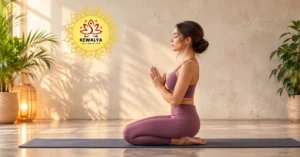
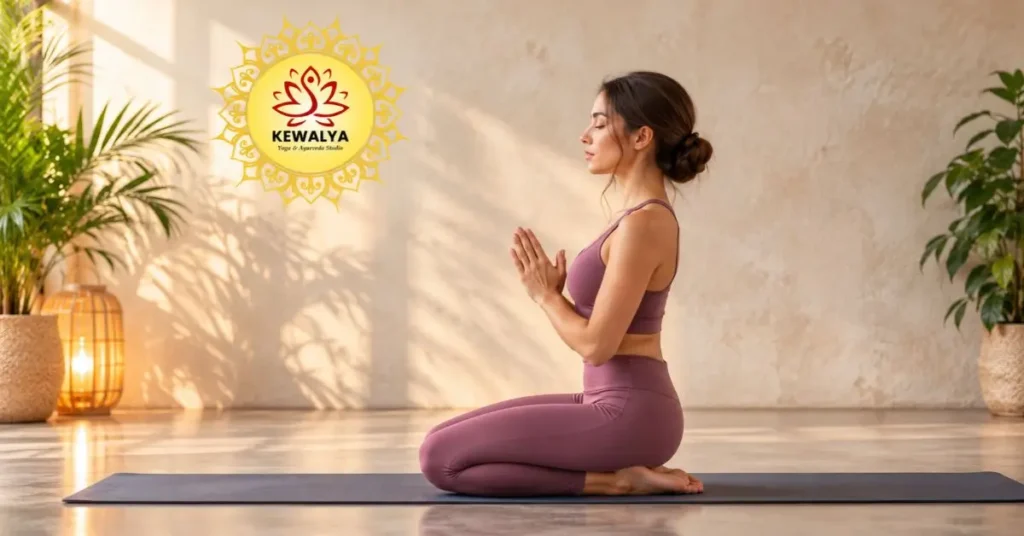
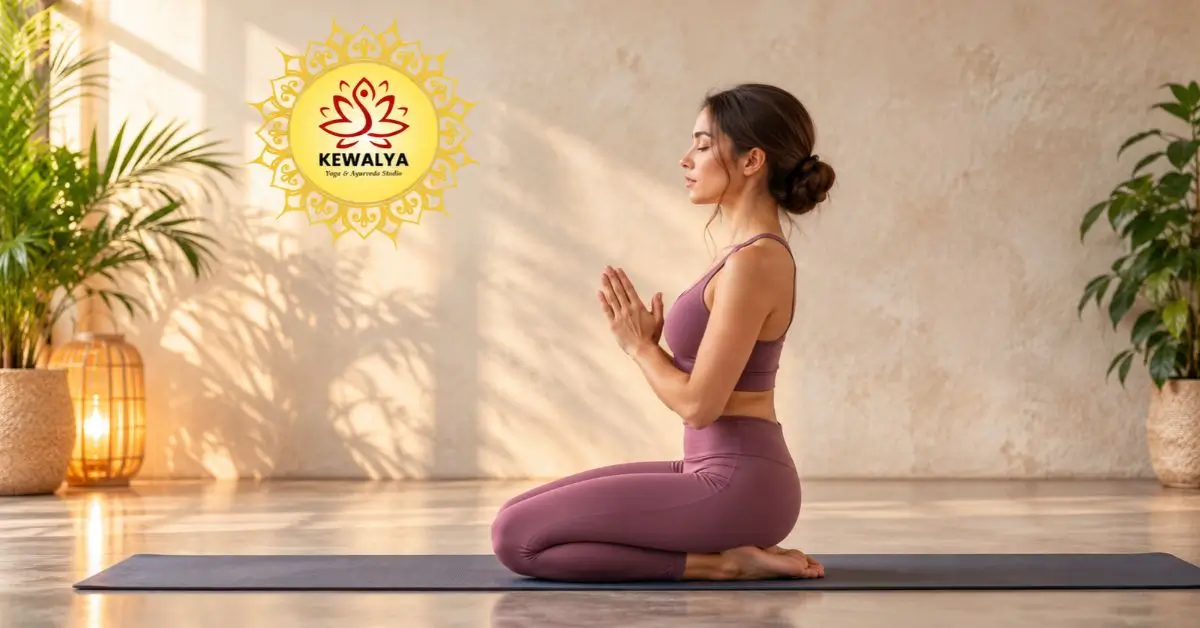
Virasana comes from vira, meaning hero or brave, and asana, meaning posture. You kneel, slide the feet slightly apart and sit down between the heels with the spine tall. The idea is steadiness, not heroics. For centuries, teachers have used hero pose as a seat for breathing practice and meditation, especially for people who find cross-legged sitting hard on the hips. The shape looks easy, but it bends the knees, ankles and thighs deeply at the same time. Many beginners find it harder than Sukhasana or Padmasana.
Names You May Meet
You may meet it as hero’s pose yoga in an English book or as Veerasana in a Hindi class. The shape is the same, so a teacher will recognize any of those names.
Hero Pose vs Vajrasana: Know the Difference
Indian students often know Vajrasana from school or from advice to sit after meals. The two look alike but are not the same.
- Vajrasana: you sit on your heels with the knees and feet together.
- Virasana: you sit between your heels, with the feet slightly wider than the hips.
That small change moves the stretch to the front of the thighs and the ankles. Hero’s Pose is therefore tougher on the knees and ankles, so many teachers introduce Vajrasana first and move on when the legs feel ready.
Before You Start: Safety Basics
Check how your legs feel today. The knees, ankles and thighs set the limit, and the hips should follow without strain.
- Practice on a mat, with a folded blanket nearby.
- Warm up first with ankle circles, gentle thigh stretches and a minute or two of Vajrasana.
- Keep a block, cushion or folded blanket within reach. Higher is kinder to the knees.
- Never twist the knees or force the seat down.
Hero pose should feel like a stretch, never a pinch inside the knee.
How to Do the Hero Yoga Pose?
Read the steps once, then move slowly.
- Kneel on a padded mat with your knees together and thighs upright. Put a folded blanket under the knees if the floor is hard.
- Slide the feet slightly wider than your hips, with the tops of the feet flat on the floor and the toes pointing straight back.
- Rest your hands on your thighs and lower the hips slowly between the heels. First use your fingers to draw the calf muscles back and out, so they do not wedge into the seat.
- If your sitting bones do not reach the floor comfortably, sit on a block, cushion or folded blanket between the feet. Support both sides evenly.
- Lengthen the spine, relax the shoulders and rest the hands on the thighs. Close your eyes or keep a soft gaze.
- Breathe slowly. Stay for 30 seconds to one minute at first, and build toward a few minutes over several weeks.
- To come out, lean forward, place your hands on the floor, lift the hips and return to hands and knees. Then sit with the legs stretched out and shake them gently to release the knees and ankles.
Props and a Chair Version
The right prop is the one that removes strain. A block or a stack of folded blankets under the hips lifts the seat. A small rolled towel under the ankles eases pressure on the tops of the feet. If you cannot kneel at all, sit on a chair with the feet flat and hip-width apart, then tuck them slightly back to copy the leg position. That version still teaches an upright spine. Props make hero pose usable for far more bodies.
Hero Pose Benefits: What the Pose May Offer?
Claims about single poses often run ahead of the evidence, and Virasana is no exception. Here is a fair summary of what students and teachers commonly report.
Physical Effects
- It stretches the front of the thighs, the shins, the ankles and the tops of the feet.
- It opens the hips and knees gradually when practiced with care.
- It gives tired legs a restful stretch after long standing or walking.
- It encourages an upright spine, which helps when sitting for breathing or meditation.
Mind and Breath
Sitting tall with slow breathing tends to settle the mind. Many students use the pose for short meditations and breathing practice because it keeps the spine straight without crossing the legs.
Claims to Treat With Caution
Many pages say Virasana cures indigestion, gas or high blood pressure. Some teachers do link it with comfortable digestion, and sitting upright after a light meal is gentle. But solid trials on this pose are limited, so treat these as traditional claims, not treatments. Ask a doctor about persistent digestive problems or blood pressure, and never replace medicine with an asana.
A Simple 10-Minute Hero Pose Routine
Use this when you want the pose to be part of something:
- Ankle circles and a gentle thigh stretch: 2 minutes
- Vajrasana: 1 minute
- Hero pose with props: 2 minutes
- Ardha Virasana, each side: 2 minutes
- Sit with the legs stretched out and shake the knees: 1 minute
- Slow breathing in an easy seat: 2 minutes
Repeat three or four days a week, and skip any step that bothers the knees.
Using Hero Pose for Pranayama and Meditation
In breathing practice, a tall, relaxed seat matters more than the shape of the legs. Hero pose suits students whose hips resist crossing the legs, because it keeps the pelvis upright. Start with a few minutes of easy, even breathing, then add slow, gentle pranayama as you grow comfortable. If your legs go numb or your feet tingle, change position. A chair is a perfectly good seat for meditation and breathing.
Hero Pose for Indian Students: Study Hours, Exams and Daily Life
Students rarely lack information about yoga. They lack small habits that fit a crowded day. Hero pose can be one.
- Between study blocks: two to three minutes on a mat beside your desk, with slow breathing, resets the legs and back.
- Before sleep in the hostel: five calm minutes with the book closed can replace scrolling.
- During exams: use short sessions to calm nerves, never long ones that leave the knees sore.
- With breathing: pair it with slow pranayama once you can sit comfortably for three to five minutes.
For a related kneeling shape with similar demands on the knees and ankles, see Mandukasana. Take it slowly, and only after hero pose feels easy.
Practicing in Dehradun
Winter mornings in the Doon valley can be cold, and stiff knees complain more in the cold. Warm up longer, keep a blanket under the knees and avoid sitting directly on a cold floor. Monsoon humidity can make mats slippery, so choose a non-slip mat. If you want guidance, ask Kewalya Yogshala about beginner batches, class size and how teachers modify kneeling poses for students with knee or ankle concerns.
Variations and Next Steps
Move on only when the basic seat is comfortable for a few minutes.
- Ardha Virasana (Half Hero): one leg folded as in the pose, the other stretched forward. A gentler way in.
- Supta Virasana (Reclined Hero): lean back onto the elbows or a bolster. It deepens the thigh and hip stretch and should be learned with a teacher. Skip it if you have knee, back or hip trouble.
- Adho Mukha Virasana (Downward Hero): fold forward from the seat with the arms reaching ahead, a calming bend similar to child’s pose.
Each variation changes the load on the knees, so give each one a few weeks.
Who Should Avoid or Modify the Pose?
Skip or modify the pose if you have:
- A recent knee injury, meniscus problem or knee surgery
- An ankle injury or sprain that has not healed
- Severe knee arthritis or swelling in the knees
- Pain or pinching in the knee when bending deeply
- Strong pain in the hips or lower back when sitting this way
- Speak to your doctor or physiotherapist first if you have any joint problem, and tell your teacher before class. Stop at once if you feel sharp pain, tingling or numbness in the feet. A chair, or Vajrasana with extra padding, may be a better choice for now. Even a modified hero pose should never hurt.
Common Ask Question
A. It can be, with props and a gentle approach. Use a block or cushion, keep holds short and stop if you feel pain in the knees or ankles. Anyone with a knee or ankle injury should check with a doctor first.
A. Start with 30 seconds to one minute. If the knees stay comfortable, add a little time each week, building toward a few minutes.
A. No. In Vajrasana you sit on your heels. In Virasana you sit between them, with the feet slightly apart. The second asks more of the knees and ankles.
A. Sitting upright after food is common in Indian homes, but Virasana strains the knees more than Vajrasana. Many teachers allow short, gentle holds after light meals. After heavy meals, simply sit tall or choose Vajrasana, and follow your teacher’s advice.
A. Come out slowly and raise the seat with a block or blankets. If pain continues or returns, skip the pose and speak to a doctor or physiotherapist.
A. Yes, if you can sit comfortably for several minutes. It keeps the spine upright without crossing the legs. If your legs go numb, change position or use a chair.
A. No. It may be a comfortable posture to sit in, but it is not a treatment for indigestion, and no pose burns fat from one area. Use it as one part of a balanced routine.