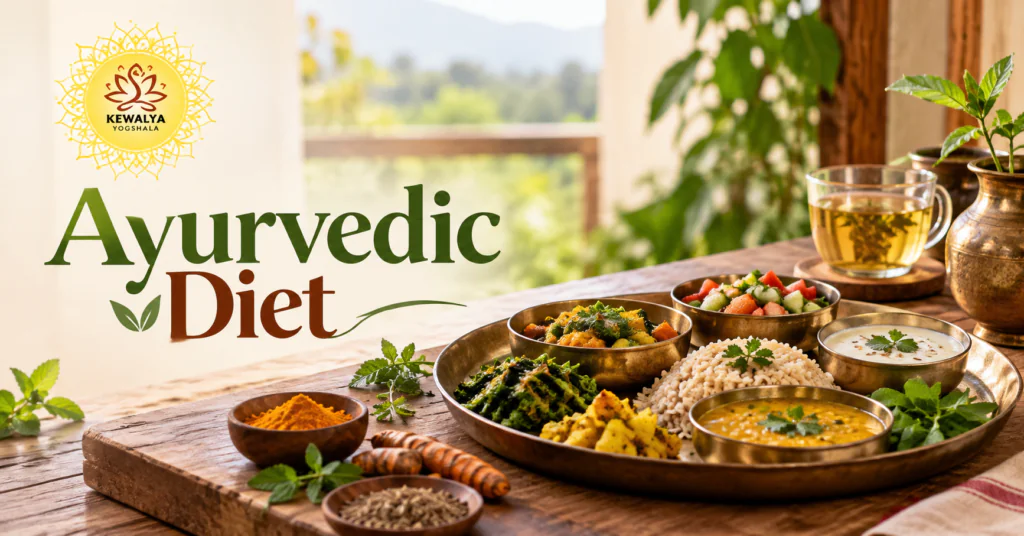
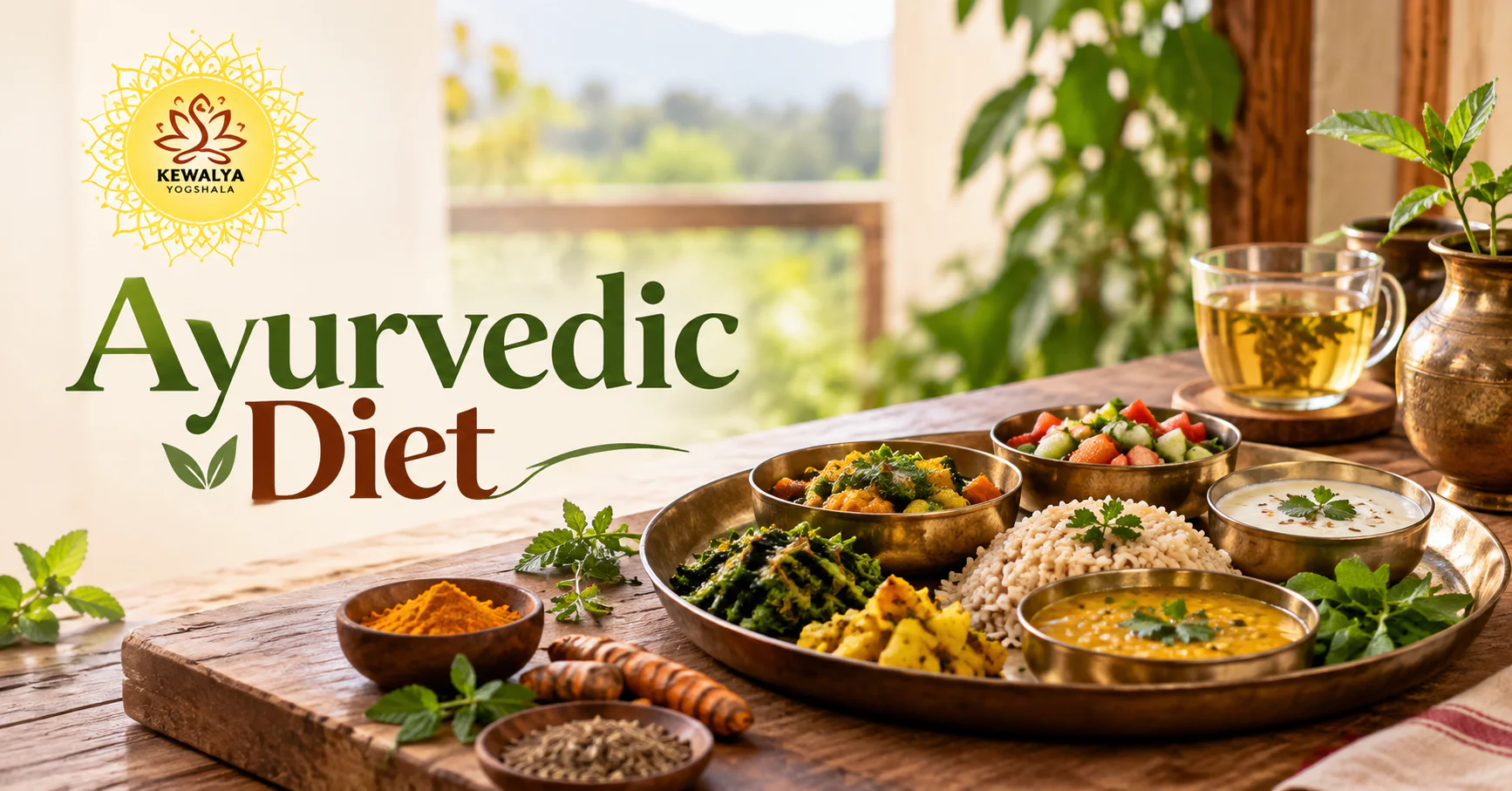
What we eat affects more than feeling full or having energy. The way we pick, cook, mix and eat food can also affect how our body handles digestion and how we feel overall. Ayurveda goes one step further by looking at food based on the person the time of year how the body digests, daily habits and old ideas about balance.
An Ayurvedic diet is not a list of foods that all people should eat or avoid. It is a way of eating that takes into account things like body type, digestion, the nature of the food how it is cooked when it is eaten how much is eaten and if it is right for the person. Ayurvedic food advice also talks about eating in a calm way picking the right foods and thinking about the persons body type and situation.
This guide explains the ideas behind an Ayurveda-based way of eating foods that are often used the role of Vata, Pitta and Kapha ideas for meals, during the day and ways to make old food ideas easier to use in todays life.
What is Ayurvedic Diet?
It is a way of eating based on Ayurveda rules. Of using one set menu an Ayurvedic diet looks at a person’s Prakriti or natural constitution and also at digestion, season, age, lifestyle and whether food is suitable.
The three doshas—Vata, Pitta and Kapha—are central to thinking. Traditional Ayurvedic sources describe dietary choices according to individual constitution and the qualities of foods. This shows that an Ayurvedic diet can be different for each person.
That means two people can eat differently while both following principles. One person may feel more comfortable with cooked meals while another may prefer lighter foods depending on their individual needs. The goal is not to follow rules blindly. Diet is about becoming more aware of what when and how much you eat.
Why is Digestion Important in Ayurveda?
Digestion is one of the ideas in Ayurvedic nutrition. In Ayurveda the word Agni is used to talk about how the body breaks down food and manages metabolism. What kind of food you eat, how much, when you eat it how it is prepared what foods go well together and your personal constitution all matter a lot in how your body handles food.
The CCRAS dietary advice points out that what you need to eat can change based on things like your strength, your body type and your age. That’s why an Ayurvedic approach pays attention to how you eat, not just the ingredients in your meals.
A meal eaten slowly. With full awareness can feel completely different, from the same meal eaten fast while working looking at your phone or feeling stressed. Eating this way changes how your body receives and uses the food.
Core Principles of an Ayurvedic Diet
Several traditional principles can help make this approach easier to understand.
1. Eat According to Your Needs
There is no single Ayurvedic diet plan that works exactly the same for every person. Ayurvedic dietary guidance looks at the person who eats the food taking into account constitution digestive capacity, habits, environment, season and suitability. The traditional framework called the eight factors covers the nature of food how it is prepared what is combined with it how much is eaten, where it is eaten, when it is eaten, the rules for eating and the person who consumes it. This focus on individuality is one of the features of Ayurvedic nutrition.
2. Choose Fresh and Wholesome Foods
Ayurvedic dietary patterns usually highlight fresh wholesome foods and careful preparation. The competitor material also points out produce, whole grains, legumes, nuts, seeds, herbs and spices as common parts. A modern approach can include vegetables, fruits, whole grains, pulses, nuts, seeds and dairy or plant-based alternatives that fit personal preference and tolerance. off cutting out all packaged food aim to base daily meals on minimally processed foods.
3. Pay Attention to Meal Timing
guidance stresses the importance of eating at proper times rather than eating all the time without feeling hungry. CCRAS calls Kale Bhojana. Eating at a suitable time one of the dietary principles of Ayurveda. A steady schedule can simplify meal planning. May help you notice real hunger and fullness signals.
4. Make Lunch a Substantial Meal
Many Ayurvedic traditions give weight to the midday meal and suggest a lighter evening meal. The core idea behind this tradition ties to rhythms and digestion. The competitor source also recommends making lunch the meal and picking a lighter dinner several hours before sleep.
This does not mean every person must eat a fixed amount at lunch. Your meal size should still mirror appetite, activity, health needs and personal circumstances.
5. Eat in a Calm Environment
A part of a diet that is often missed is the experience of eating itself. Traditional guidelines urge focus on food and calm eating not rushing through a meal.
Try putting your phone sitting comfortably chewing slowly and giving yourself enough time to notice the meal. Mindful eating can make your dietary routine more intentional without demanding rules.
6. Avoid Overeating
Ayurveda places emphasis on quantity.Traditional dietary guidance says food needs differ based on the person and their digestive capacity of eating until you feel uncomfortably full try to notice when your hunger has been satisfied. Portion needs vary a lot so an Ayurvedic diet chart should not be treated as a prescription, for every person.
Ayurvedic Diet According to Vata, Pitta and Kapha
One of the most familiar aspects of Ayurveda is eating according to the three doshas.
1. Vata Diet
Traditional Ayurvedic descriptions generally associate Vata with qualities such as lightness, dryness, mobility, and coldness. Foods that are warm, nourishing, moist, and grounding are therefore traditionally favored for Vata-predominant individuals.
Examples may include:
- Warm soups and stews
- Cooked grains
- Root vegetables
- Well-cooked pulses
- Nuts and seeds
- Suitable healthy oils
Consistency is also important. Regular meal times and warm, freshly prepared food can fit well within a traditional Vata-oriented routine.
2. Pitta Diet
Pitta is traditionally associated with qualities such as heat and intensity. A Pitta-oriented Ayurvedic food approach generally emphasizes moderation and foods traditionally considered cooling and soothing.
Common examples include:
- Cucumber
- Sweet fruits
- Leafy greens
- Coconut
- Mildly prepared vegetables
- Less intensely spicy meals
Extremely spicy or very heavy meals may be reduced according to individual suitability.
3. Kapha Diet
Kapha is traditionally associated with qualities such as heaviness, stability, and coolness. A Kapha-oriented dietary pattern generally emphasizes lighter and more stimulating foods.
Traditional examples can include:
- Cooked vegetables
- Light grains
- Legumes
- Ginger
- Black pepper
- Other suitable warming spices
These are traditional principles rather than substitutes for individualized medical or nutritional advice.
The Six Tastes in Ayurveda
Taste is another concept in traditional Ayurvedic nutrition.
The six tastes are:
- Sweet
- Sour
- Salty
- Pungent
- Bitter
- Astringent
Ayurvedic guidance links these tastes to different effects on the doshas and suggests thinking about them when making meal plans.
For example a balanced Indian meal can naturally have tastes, from grains, vegetables, lentils, spices, herbs and other items.
The idea is not to force six tastes into every meal no what the appetite or what the body needs. Instead it promotes variety and attention when choosing food.
Foods Commonly Included in Ayurvedic Eating
There is no official list of Ayurvedic food. I find that many traditional eating patterns still favor ingredients and foods that have not been heavily processed. The Ayurvedic approach emphasizes natural foods.
Whole Grains
Rice, oats, barley, millet and other grains can be chosen. Which grains you pick depends on your preference and on what traditional dietary recommendations say. The Ayurvedic view sees grains as a base for meals.
Lentils and Legumes
Moong dal and other pulses are common in cooking. You can prepare them in ways and you should choose a method that suits your digestion and personal tolerance. The Ayurvedic tradition notes that pulse cooking can affect digestion.
Fresh Vegetables
Seasonal vegetables that have been cooked are often part of meals. You can steam them boil them sauté them or turn them into soups and dals. The Ayurvedic view says that gentle cooking preserves the qualities of vegetables.
Fruits
Fresh seasonal fruits add variety and nutrients. Which fruits are best for you can differ depending on your needs and on Ayurvedic recommendations. The Ayurvedic perspective values fruits that suit your body type.
Nuts and Seeds Almonds, walnuts, sesame seeds, pumpkin seeds and other nuts or seeds can add fats, protein and texture to meals. In thinking, nuts and seeds are good for nourishing the body.
Herbs and Spices
Ginger, cumin, coriander, turmeric, cardamom, fennel and other spices are common, in cooking. The Ayurvedic tradition discusses how spices affect the qualities of food and how they help digestion.
Related Post:- what is Ayurveda?
Foods and Habits Commonly Limited
Ayurvedic traditions often focus on balance and smart food choices of labeling every food as bad. They encourage moderation and awareness of how different foods affect the body. Foods like processed items, too much sugar, big meals and eating at irregular times may be minimized to support better health. Some sources also mention avoiding processed foods, leftover meals, cold foods and much snacking, as part of traditional dietary advice.
The key is not to take these guidelines as strict rules. Everyones body is different. What works for one person might not work for another. The goal is to use wisdom as a guide not as a set of rigid restrictions. It’s about listening to your body and making choices that feel right for you.
A Simple Ayurvedic Diet Plan for a Day
A practical Ayurvedic meal plan can be simple than complicated.
Morning
Start the day with water. Take a time to wake up fully before eating breakfast. Choose a breakfast that fits your appetite and daily routine.
Options may include:
- Warm porridge with nuts and fruit
- Vegetable poha
- Moong dal chilla
- Lightly cooked vegetables with a suitable grain
Lunch
Make lunch a balanced and satisfying meal.
A simple plate may include:
- Rice or roti
- Dal
- Seasonal cooked vegetables
- A protein source
- A small amount of healthy fat
- Optional fresh herbs or mild spices
Evening
A lighter dinner may include vegetable soup, khichdi, dal with vegetables or another prepared meal suitable, for your needs. Try to leave time between dinner and bedtime. Avoid meals right before sleeping.
Seasonal Eating in Ayurveda
Seasonal changes are important in traditional Ayurveda. Diet and lifestyle recommendations may change according to climate and season.
The Ayurvedic tradition includes Ritucharya, which refers broadly to seasonal routines. Research describing traditional Ayurvedic nutrition also notes that food choices can take account of climate, season, taste, texture, temperature, and time of consumption.
In life meals during the summer might easily have more foods that have a lot of water and are in season while the colder times of the year might push people toward warm and healthy cooking. Choosing to eat things that’re in season can also lead to more different kinds of meals and help you feel closer to the ingredients that are available, near where you live.
Ayurvedic Diet and Modern Lifestyle
Following principles does not mean giving up modern life.
You can start with practical steps:
- Eat meals at times that are somewhat regular.
- Try to avoid eating while distracted.
- Choose foods more often than not.
- Limit foods that are heavily processed.
- Adjust your meals based on how hungry you feel and how active you’re
- Include foods that’re in season.
- Notice how different foods affect your body and mood.
Can Ayurvedic Diet Help With Digestion?
Traditional Ayurveda puts digestion in the middle of how it thinks about food. Things like eating the amount picking the right foods eating at the same times every day and paying attention while eating are seen as really important ways to eat.
An Ayurvedic way of eating for digestion should not be thought of as a sure way to fix digestive problems. If someone has bad stomach pain loses weight without a reason has blood, in their stool throws up a lot or their poop changes a lot and stays that way they need to see a doctor who knows what they are doing.
Also just because something is called natural does not mean it is safe. Some herbs and supplements can do harm or mix badly with medicines.
Is an Ayurvedic Diet Vegetarian?
Not necessarily. Some old ways of eating in Ayurveda focus on plants. Might suggest eating vegetarian in certain situations.. Ayurveda texts also talk about different foods based on their features how they are made, if they are good for someone and what a person needs.
So the word “Ayurvedic” should not always mean the same as vegetarian or vegan. Personal choices, what the body needs, culture and advice, from experts should all be thought about.
How to Start an Ayurvedic Eating Routine
You do not need to change your kitchen overnight. Start by becoming more aware of your habits. Notice when you eat, how quickly you eat whether you are genuinely hungry and how you feel after meals.
Then introduce adjustments such as choosing more freshly prepared meals adding seasonal vegetables eating without distractions and maintaining a more consistent schedule.
For those who want to study the relationship between nutrition, yoga, Ayurveda and traditional wellness practices, in depth Kewalya Yogshala offers yoga programs that incorporate Ayurveda and wellness education. Its online yoga classes also include Ayurveda and wellness as part of the broader learning approach.
Final Thoughts
An Ayurvedic way of eating is not about sticking to a list of foods but about becoming more aware of food, digestion, when to eat, how much to eat how to prepare food, the season and what your body needs.
The old way of thinking puts focus on Ahara, which means food along with things like your body type how your body digests food, the nature of the food how to cook it what foods go well together when to eat and eating with care.
You can start with changes: pick real foods eat at the same times each day don’t eat too much all the time take time to enjoy meals without distractions and change what you eat based on your own needs and the time of year. When old Ayurvedic ideas are used with eating habits and the right help from a professional they can offer a thoughtful way to create a better connection, with food.
Frequently Asked Questions (FAQS)
A. An Ayurvedic diet is a way of eating that looks at each persons unique makeup how their body digests food, the nature of the food the time of year when food is eaten how it is prepared and whether it fits the person. It does not offer one menu that works for everyone.
A. Main foods often include grains, vegetables, fruits, legumes, nuts, seeds, herbs and spices. The specific items can change depending on a persons makeup the time of year how their body digests food and their personal needs.
A. There is no one diet plan that works for everyone. Traditional Ayurveda focuses on a persons makeup, how their body digests food what foods are right for them how much they eat, when they eat and other details when deciding what to eat.
A. The six tastes are sweet, sour, salty, pungent, bitter and astringent. Traditional Ayurveda looks at how these tastes connect with food qualities and the bodys balance.
A. Traditional eating ideas can be used every day. The specific foods and habits should match the person. It is not necessary to avoid foods just because they are called “non-Ayurvedic.
A. Traditional Ayurveda pays a lot of attention to digestion. Suggests things like eating at the right times eating the right amounts eating fresh food and eating with care. These ideas should work along with medical care for digestion issues.
A. An Ayurvedic way of eating can focus on foods eating with care and eating the right portions but it should not be seen as a sure way to lose weight. Long-term weight control depends on eating habits, activity, health and personal situations.