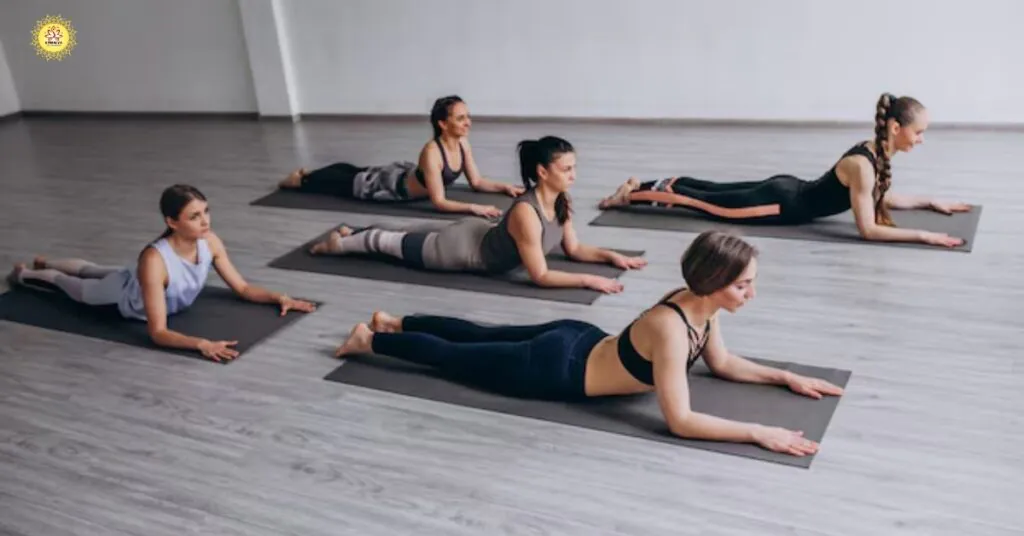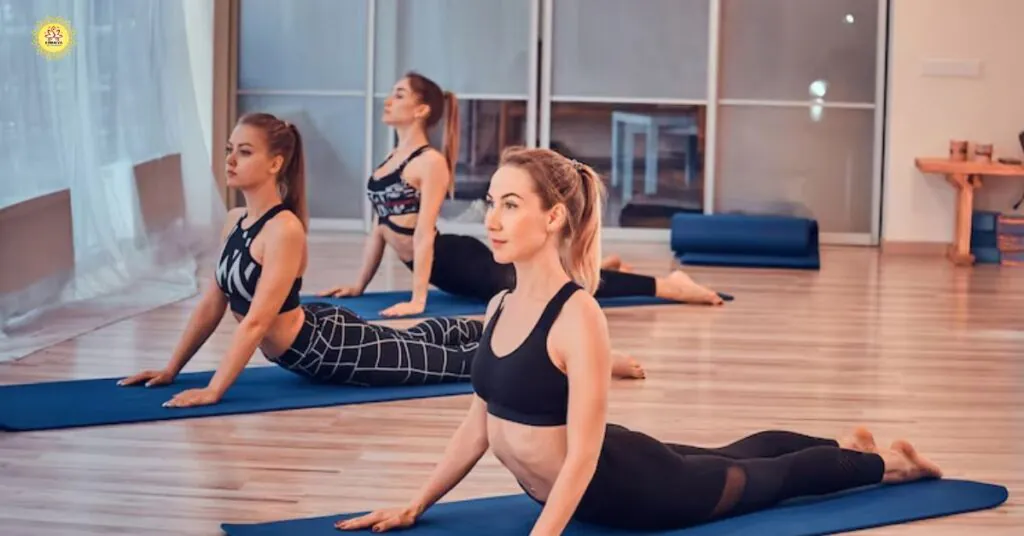
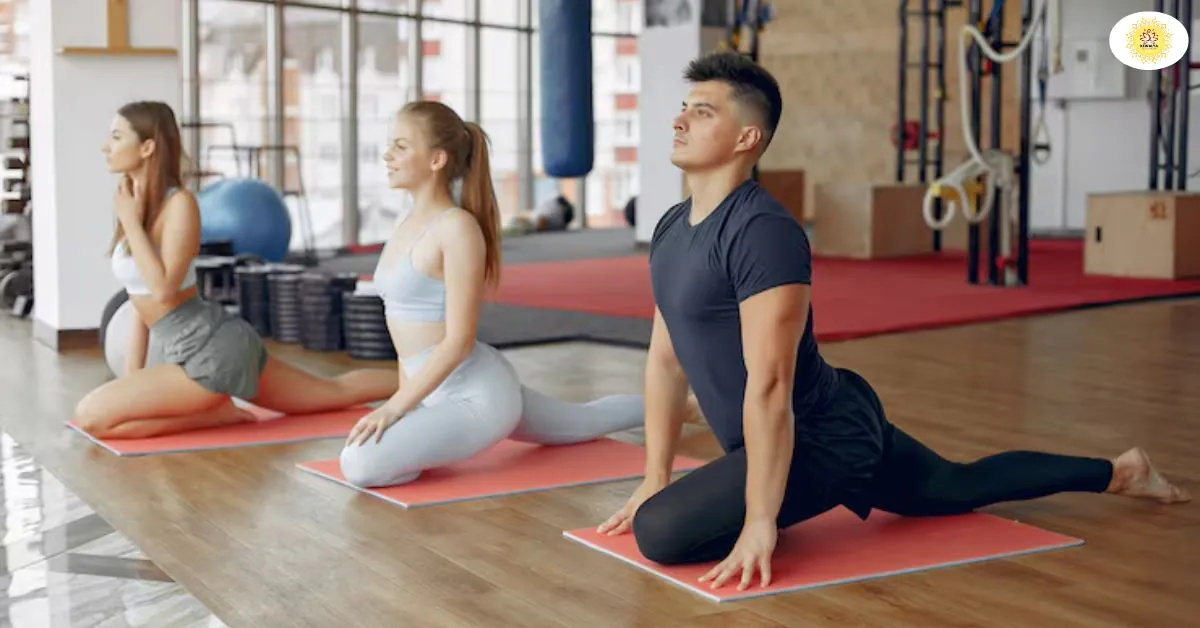
Join authentic Ashtanga yoga classes in Dehradun with experienced teachers. Improve strength, flexibility, and mindfulness through traditional Mysore-style and guided sessions. Ashtanga in Sanskrit denotes the eight-limbed (asta- eight, anga- limb). Ashtanga Yoga is an eight-limbed journey of reaching the state of Yoga, also referred to as Samadhi. Ashtanga yoga classes in Dehradun offer structured practice guided by experienced yoga teachers.
Ashtanga yoga is called so because of the word used in the Yoga Sutras of Patanjali describing the eight-fold path of yoga, ashtanga (ashtanga or eight in Sanskrit). The school held the opinion that the yoga asana (limb) of yoga had to be practised before other asanas could be mastered, and this was the opinion of Sri K. Pattabhi. The practice was created in Mysore, India, where Sri K. Pattabhi Jois practised and founded the Ashtanga Yoga Research Institute. Join a peaceful Ashtanga yoga studio to deepen your strength, flexibility, and breath control.
Ashthanga Yoga Class Philosophy and Practice
Ashtanga Yoga is just like any other lineage-based practice and is still developing into what it is as identified with the practice. The fundamental aspects are perceived in a little different way by teachers and students, but the main idea is to be based on breath, movement, and awareness. Find authentic Mysore-style practice by searching for Ashtanga yoga near me.
Historical Overview
Ashtanga Yoga (also known as Ashtanga Vinyasa Yoga) is a dynamic and progressive path of yoga that is based on the vinyasa krama school introduced by T. Krishnamacharya. A traditional Ashtanga Yoga Centre focuses on discipline, alignment, and daily practice. This method was adapted by Sri K. Pattabhi Jois, who was a loyal student of Krishnamacharya between 1927 and 1952, to become what we currently know as the Ashtanga Vinyasa system. At its inception, Jois used yoga as a form of therapy, on a one-on-one basis, prescribing students with special health issues their own particular routines. He frequently called this system Ashtanga Yoga or “Patanjali Yoga” in his tribute to its philosophical origins.
Ashtanga Yoga is a practice, like any other lineage-based, that is developed by its adherents. The main elements are slightly interpreted differently by teachers and students, but the main content is based on breath, movement, and awareness.
Also Go Through:- Best Vinyasa Yoga School in Dehradun
Tristhana: The Three Sutras of Practice
The word Tristhana, which means three abodes, refers to the points of concentration bringing the attention to bear when practising. Although there are slight differences in the interpretations, the majority agree that they are:
- Breath (which is frequently connected with Bandha or energetic locks)
- Drishti (a gazing point)
- Asana (physical posture)
A combination of these factors creates a meditative system that pulls the mind back, aligns the body, and directs pranic energy.
1. Breath (Ujjayi Pranayama)
The focus of the practice is on breath. It is often referred to as Ujjayi Pranayama, or breath of victory; a slow, nervous breath, a controlled breathing method with the inhalation and exhalation made through the nose, and a slight constriction of the throat.
This produces a sound which is audible, wave-like and which:
- Anchors awareness
- Control of the nervous system reaction.
- Synchronises with movement
- Directs internal energy (prana).
Some refer to it as free breathing with sound, but the stress is on even rhythm, internal heat formation and movement of the breath.
2. Bandha: Energy Locks
Bandhas are small involuntary muscle activations that assist in getting the prana through the body. These aid in core stability and internal lift. Although not in a literal sense, practitioners may likely be involved:
- Mula Bandha (root lock) – the soft activation of the PC and pelvic floor muscles.
- Uddiyana Bandha (abdominal lock) – pulling the conscious into the lower belly towards the psoas major.
Not tensed muscles, but vibrant openings, bandhas are experienced with awareness and fine connection.
3. Drishti: Gaze of Focus
The gaze point is drishti, which is part of the prescription in any posture. In Ashtanga, 9 traditional drishtis are employed, they are:
- Nose
- Navel
- Third Eye (brow)
- Thumbs
- Toes
- Hands
- Left or right side
- Upward (sky)
In addition to maintaining the eyes focused, drishti develops concentration, reduces outside distraction and enhances pratyahara- the withdrawal of the senses.
Conclusion
Dehradun has Ashtanga yoga classes which are well structured and disciplined, which help in supporting physical strength, mental focus and general well-being. The experience is also improved by practising in the calm and peaceful Himalayan environment where students strive to develop consistency, self-awareness and inner balance. Being a novice who wants to develop a good background or a professional who wants to enhance his/her practice, Ashtanga yoga in Dehradun offers the right place to advance with the good old practice.
Quick Answers to Common Queries
Yes, there are lots of centres in Dehradun that have beginner-friendly Ashtanga classes where postures are learned step by step and adjusted to the ability of the individual.
Ashtanga yoga may be practised by persons of the majority of all ages. Nonetheless, people with health issues or injuries are advised to seek the assistance of a certified instructor or a healthcare provider.
Regular practice should also be provided, ideally five to six days per week, unless otherwise. Novices can begin with three or four sessions a week and then proceed to increase the frequency.
Ashtanga yoga is, indeed, dynamic and physically challenging, which helps to gain strength, flexibility, endurance, and facilitates healthy body weight maintenance when performed regularly.
You would need a yoga mat, sportswear, a water bottle and an open mind. Certain centres might supply mats; however, personal mats are usually encouraged in terms of hygiene and comfort.
Read Also:-